We all know the trope of the tough, silent type. In Australia, we call it the “Aussie battler” mentality. It is the idea that when things get difficult, you simply grit your teeth, get on with the job, and absolutely do not make a fuss. It is a cultural badge of honour. But for the men and women who have served in our military, this intense pressure to just “soldier on” is quietly creating a crisis.
With Remembrance Day approaching, the conversation around how we treat our ex-service members is more important than ever. Army veteran Joel Tunstall is stepping up to talk about the reality of life after the military. Now the Chief Commercial Officer at Total Veteran Healthcare, Joel understands the specific challenges veterans face when returning to civilian life.
He points out a heartbreaking irony: the exact traits that make someone an incredible soldier can become their heaviest burden when they come home. In the military, resilience, self-reliance, and fierce independence are survival skills. You learn to push through pain, rely on your training, and support your mates. However, when those same attitudes carry over into everyday civilian life, they form a massive barrier. The ingrained habit of never showing weakness makes it incredibly difficult for veterans to admit when they are struggling or to put their hand up for professional help.
The numbers backing this up are heartbreaking, and they demand our attention. Currently, 27 per cent of male veterans report living with a current, long-term mental or behavioural condition. To put that in perspective, the rate for non-veteran men is 17 per cent.
But the most alarming statistics relate to suicide rates. Data from the Australian Institute of Health and Welfare, tracking from 1997 to 2024, shows the suicide rate among ex-serving male veterans is 24 per cent higher than the general national average for males. For ex-serving female veterans, the situation is even more devastating, with a rate that is 92 per cent higher than the general female population. These are not just numbers on a page; they are people who served their country and were left behind by a societal expectation that told them to just keep quiet.
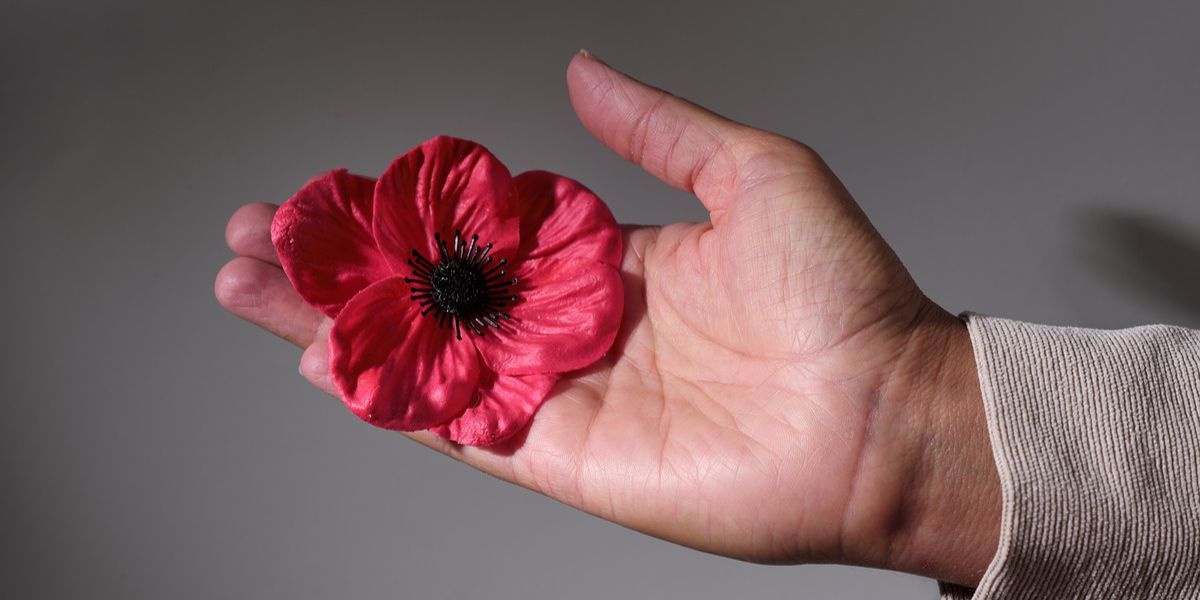
This Remembrance Day, it is time for a serious shift in perspective. Honouring our military personnel has to be about more than pinning on a red poppy and pausing for a minute of silence in November. It requires a fundamental understanding that looking after those who have served cannot stop the moment they take off their uniform.
We need to actively work to change the narrative. We must create an environment where putting a hand up and asking for help is recognised for what it truly is: an act of immense strength, not a failure to battle on. After all, the bravest thing a soldier can do after returning home might just be admitting they cannot fight the next battle alone.
If this article has raised issues for you, or if you or someone you know needs support, please call Lifeline on 13 11 14 or visit lifeline.org.au.