What the Chevy Chase Documentary Really Exposed
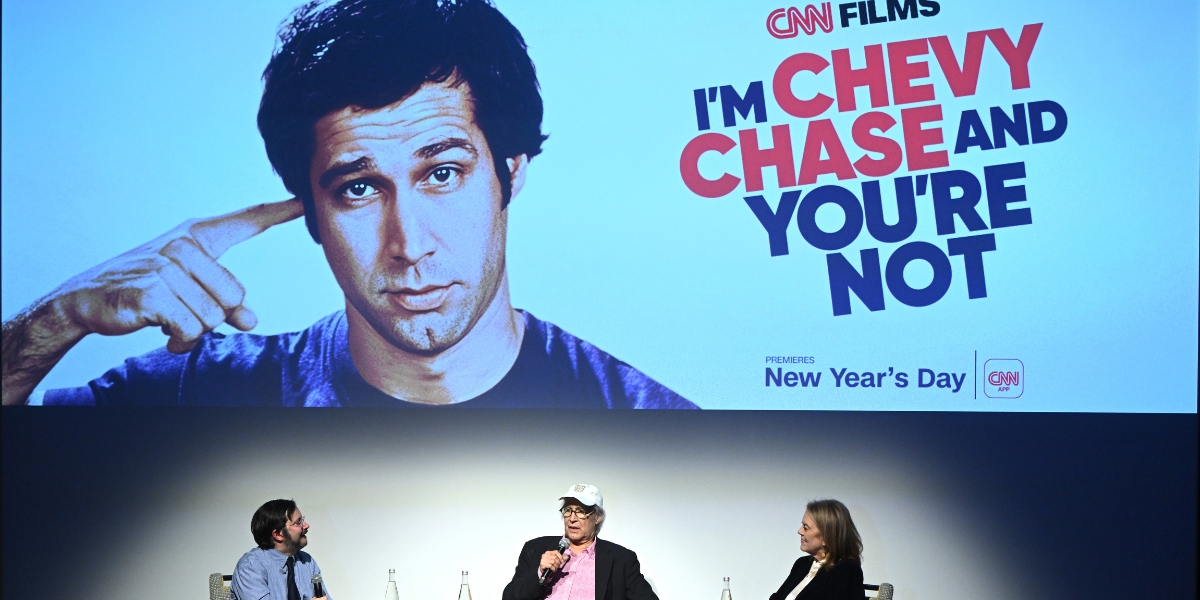
Last night’s Australian airing of the documentary on Chevy Chase triggered a familiar cycle of shock, condemnation, and instant moral certainty. The reaction was loud, confident, and fast. The thinking behind it, less so.
Watching Ourselves React
The Reddit response was particularly revealing. Threads filled with viewers’ descriptions of discomfort, disappointment, and even sadness. Many were careful to state that they were not excusing Chase’s behaviour, while still grappling with the uneasy experience of watching an ageing figure confronted by his own legacy. That tension was real, but it did not last long.
Very quickly, uncertainty gave way to judgment. The documentary’s messiness was streamlined into conclusions that felt more performative than reflective. The dominant impulse was not to sit with what the film presented, but to resolve it cleanly and publicly.

The Uncomfortable Truth
The documentary does not ask us to forgive Chevy Chase. It asks something harder. It asks us to tolerate complexity. To accept that cultural influence and personal failure often exist side by side. If we want meaningful conversations about art, legacy, and power, we have to resist the urge for tidy narratives and moral shortcuts. Otherwise, we are not engaging with history at all. We are simply reshaping it into something more comfortable and far less honest.